If you’re navigating hyperactive-impulsive ADHD symptoms—racing thoughts, fidgeting, impulsive interruptions, or the constant urge to jump between tasks—you’ve likely seen mentions of adhd sound waves music as a low-effort, non-prescription support tool. Unlike generic focus playlists, these tracks are engineered with specific audio patterns designed to align with how the ADHD brain processes sensory input, making them a practical add-on to your existing routine, not a replacement for professional care. Below, we break down real use cases, selection tips, and small cautions to help you decide if they’re right for you.
When adhd sound waves music Helps With Hyperactive-Impulsive Symptoms

These tracks shine for low-friction, high-challenge moments where hyperactive-impulsive symptoms tend to derail you. That might be sitting through a 45-minute team meeting without interrupting, powering through boring administrative paperwork, or winding down after a long day when your brain won’t stop replaying to-do list items. Many adhd sound waves music tracks use binaural beats, pink noise, or slow, steady rhythmic patterns that reduce the excess sensory “static” that fuels fidgeting, impulsive outbursts, and constant task-switching. For example, a freelance writer with combined ADHD might play 10 minutes of 40Hz gamma wave tracks before starting a client draft to cut down on the urge to check social media mid-sentence.
How to Pick the Right adhd sound waves music For Your Goals
Not all adhd sound waves music is built the same, so prioritize these factors when testing tracks to find what works for your brain:
- Match frequency to your goal: For calming hyperactivity and restlessness, choose 8–12Hz alpha or low-frequency theta wave tracks that promote relaxed alertness. For reducing impulsive task-switching or mind-wandering during focused work, opt for 18–30Hz beta wave tracks that support sustained attention.
- Account for sensory sensitivities: Skip tracks with sudden loud shifts, lyrics, or high-pitched tones if you get overstimulated easily, and look for options with adjustable volume layers for custom comfort.
- Start small: Test 5–10 minute clips first before committing to longer sessions, as extended use can trigger headaches or restlessness for people new to audio-based support tools.
Most free streaming platforms have pre-curated adhd sound waves music playlists labeled by use case, so you don’t need to pay for a premium subscription to test what works for you.
Adjust Your Use Based on Your ADHD Symptom Profile
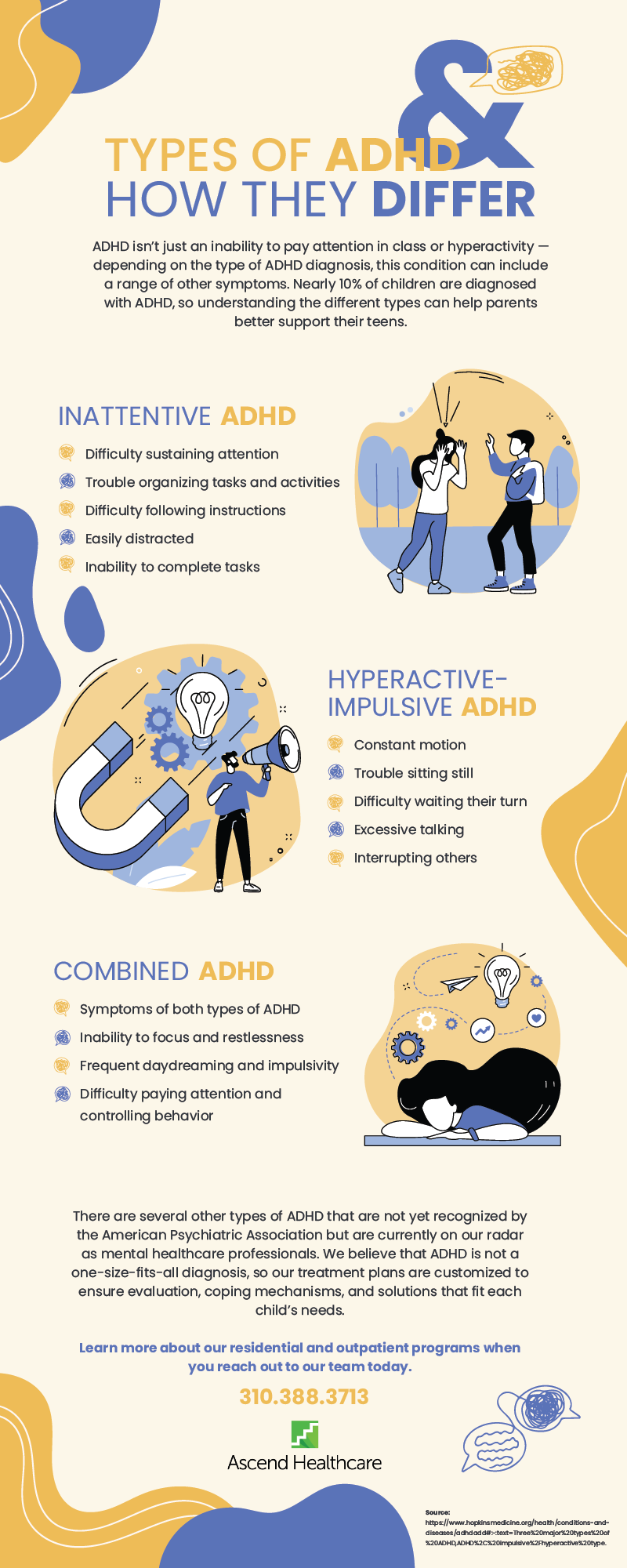
As the infographic on ADHD symptom types shows, not everyone with ADHD experiences the same core challenges, so your adhd sound waves music routine will look different from a friend’s with the same diagnosis. People with primarily inattentive ADHD often get the most benefit from beta wave tracks to reduce mind-wandering during remote work or study sessions, while people with hyperactive-impulsive or combined type ADHD typically see faster results from low-frequency alpha or theta tracks that dial down physical restlessness. If you have co-occurring sensory processing sensitivities, look for tracks with no abrupt dynamic changes, so you don’t end up overstimulated mid-session. You can also pair adhd sound waves music with other low-lift tools like fidget toys, 5-minute movement breaks, or visual timers to build a routine that targets your unique symptom mix.
Cautions to Keep In Mind Before Relying on These Tracks
First, these tracks are a complementary support tool, not a replacement for clinician-recommended ADHD management strategies like therapy, medication, or behavioral coaching. They’re designed to fill small gaps in your routine, not cure core ADHD symptoms. Second, if you have a history of seizures, audio sensitivity, or tinnitus, check with your doctor before using binaural beat tracks, as the subtle frequency shifts can trigger discomfort or adverse reactions in some people. Third, don’t force yourself to use them if they feel distracting or annoying—ADHD management is all about customizing tools to your brain, not following viral trends. Finally, avoid using adhd sound waves music while driving or operating heavy machinery until you’ve tested how the audio affects your focus in low-stakes settings first.
If you’re navigating hyperactive-impulsive ADHD symptoms—racing thoughts, fidgeting, impulsive interruptions, or the constant urge to jump between tasks—you’ve likely seen mentions of adhd sound waves music as a low-effort, non-prescription support tool. Unlike generic focus playlists, these tracks are engineered with specific audio patterns designed to align with how the ADHD brain processes sensory input, making them a practical add-on to your existing routine, not a replacement for professional care. Below, we break down real use cases, selection tips, and small cautions to help you decide if they’re right for you.
When adhd sound waves music Helps With Hyperactive-Impulsive Symptoms
These tracks shine for low-friction, high-challenge moments where hyperactive-impulsive symptoms tend to derail you. That might be sitting through a 45-minute team meeting without interrupting, powering through boring administrative paperwork, or winding down after a long day when your brain won’t stop replaying to-do list items. Many adhd sound waves music tracks use binaural beats, pink noise, or slow, steady rhythmic patterns that reduce the excess sensory “static” that fuels fidgeting, impulsive outbursts, and constant task-switching. For example, a freelance writer with combined ADHD might play 10 minutes of 40Hz gamma wave tracks before starting a client draft to cut down on the urge to check social media mid-sentence.
How to Pick the Right adhd sound waves music For Your Goals
Not all adhd sound waves music is built the same, so prioritize these factors when testing tracks to find what works for your brain:
- Match frequency to your goal: For calming hyperactivity and restlessness, choose 8–12Hz alpha or low-frequency theta wave tracks that promote relaxed alertness. For reducing impulsive task-switching or mind-wandering during focused work, opt for 18–30Hz beta wave tracks that support sustained attention.
- Account for sensory sensitivities: Skip tracks with sudden loud shifts, lyrics, or high-pitched tones if you get overstimulated easily, and look for options with adjustable volume layers for custom comfort.
- Start small: Test 5–10 minute clips first before committing to longer sessions, as extended use can trigger headaches or restlessness for people new to audio-based support tools.
Most free streaming platforms have pre-curated adhd sound waves music playlists labeled by use case, so you don’t need to pay for a premium subscription to test what works for you.
Adjust Your Use Based on Your ADHD Symptom Profile
As the infographic on ADHD symptom types shows, not everyone with ADHD experiences the same core challenges, so your adhd sound waves music routine will look different from a friend’s with the same diagnosis. People with primarily inattentive ADHD often get the most benefit from beta wave tracks to reduce mind-wandering during remote work or study sessions, while people with hyperactive-impulsive or combined type ADHD typically see faster results from low-frequency alpha or theta tracks that dial down physical restlessness. If you have co-occurring sensory processing sensitivities, look for tracks with no abrupt dynamic changes, so you don’t end up overstimulated mid-session. You can also pair adhd sound waves music with other low-lift tools like fidget toys, 5-minute movement breaks, or visual timers to build a routine that targets your unique symptom mix.
Cautions to Keep In Mind Before Relying on These Tracks
First, these tracks are a complementary support tool, not a replacement for clinician-recommended ADHD management strategies like therapy, medication, or behavioral coaching. They’re designed to fill small gaps in your routine, not cure core ADHD symptoms. Second, if you have a history of seizures, audio sensitivity, or tinnitus, check with your doctor before using binaural beat tracks, as the subtle frequency shifts can trigger discomfort or adverse reactions in some people. Third, don’t force yourself to use them if they feel distracting or annoying—ADHD management is all about customizing tools to your brain, not following viral trends. Finally, avoid using adhd sound waves music while driving or operating heavy machinery until you’ve tested how the audio affects your focus in low-stakes settings first.
Characteristics Of Adhd In Children – SSMSR
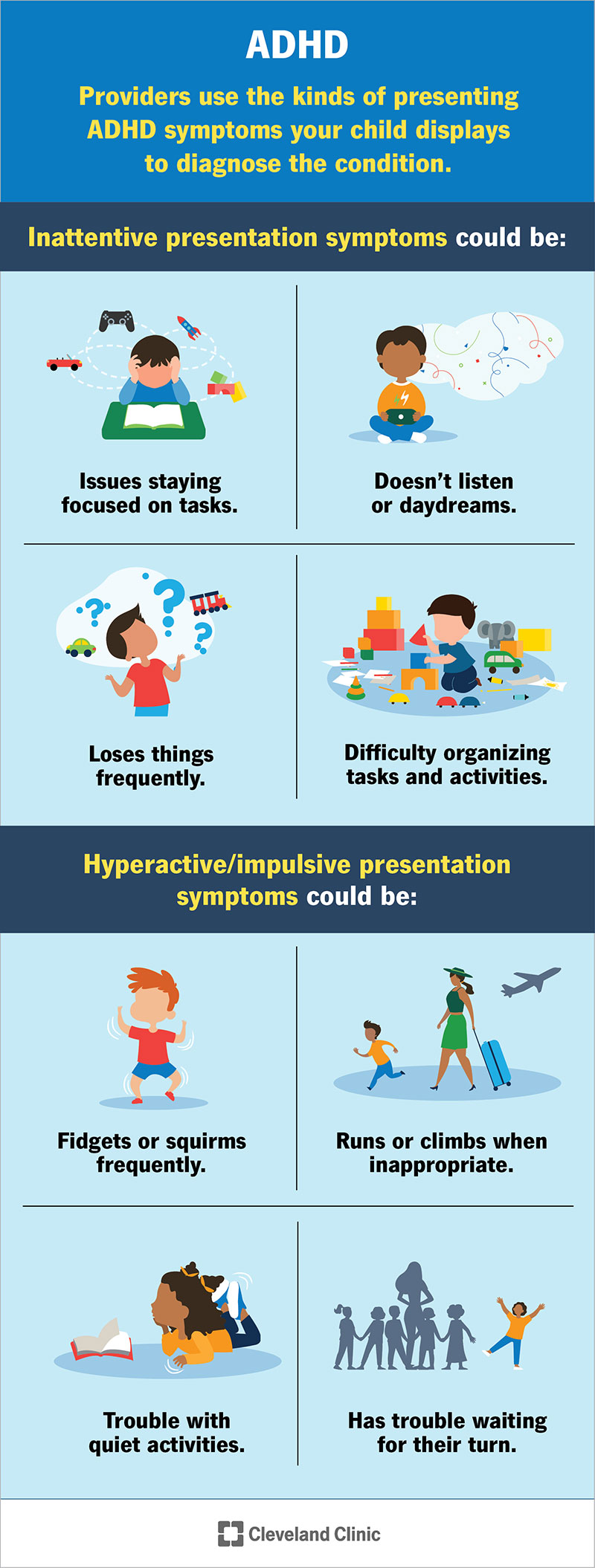
Characteristics Of Adhd In Children – SSMSR
Adhd In Toddlers: Early Signs, Symptoms, And Treatment – TWMWFE
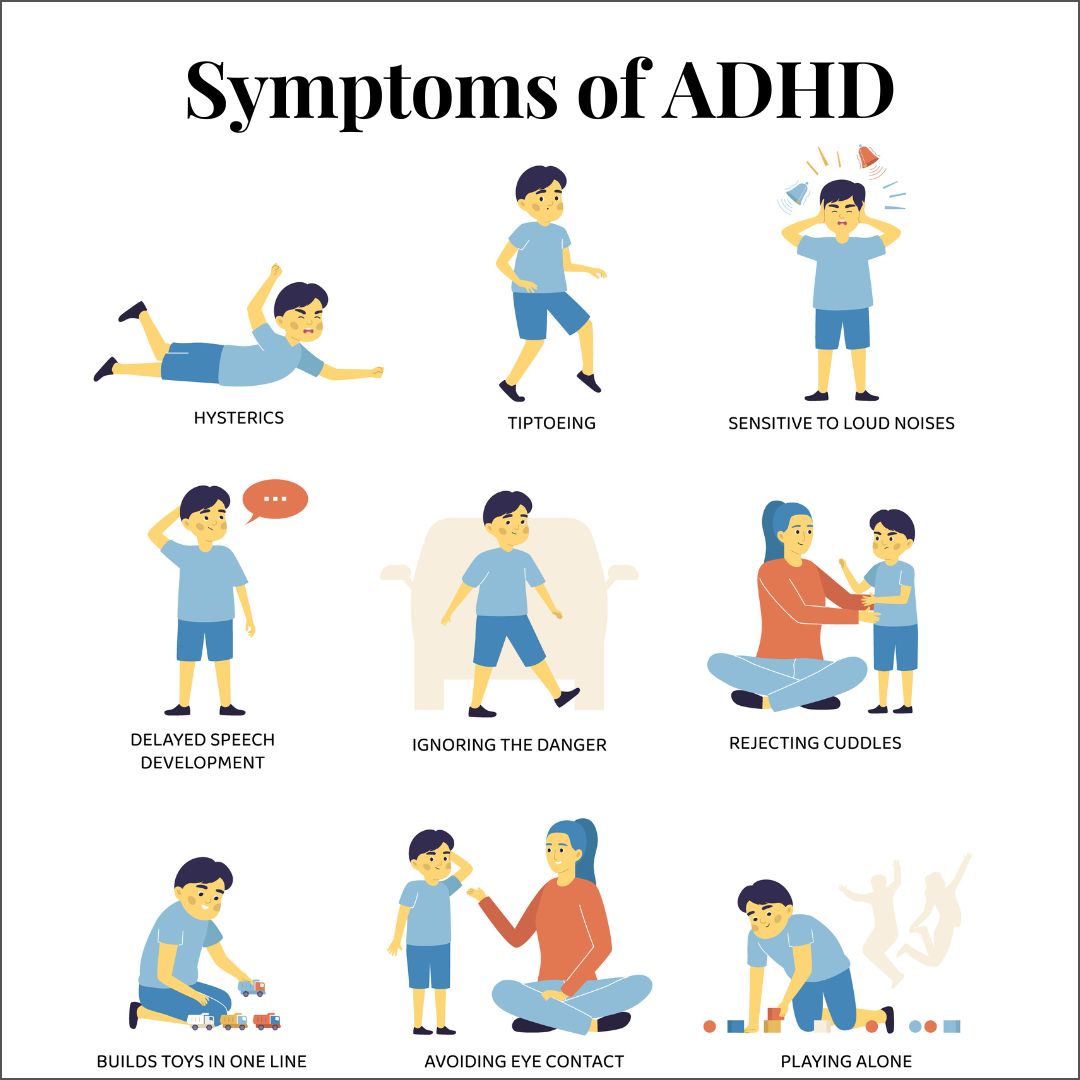
Adhd In Toddlers: Early Signs, Symptoms, And Treatment – TWMWFE
Hyperactivity Disorder In Children
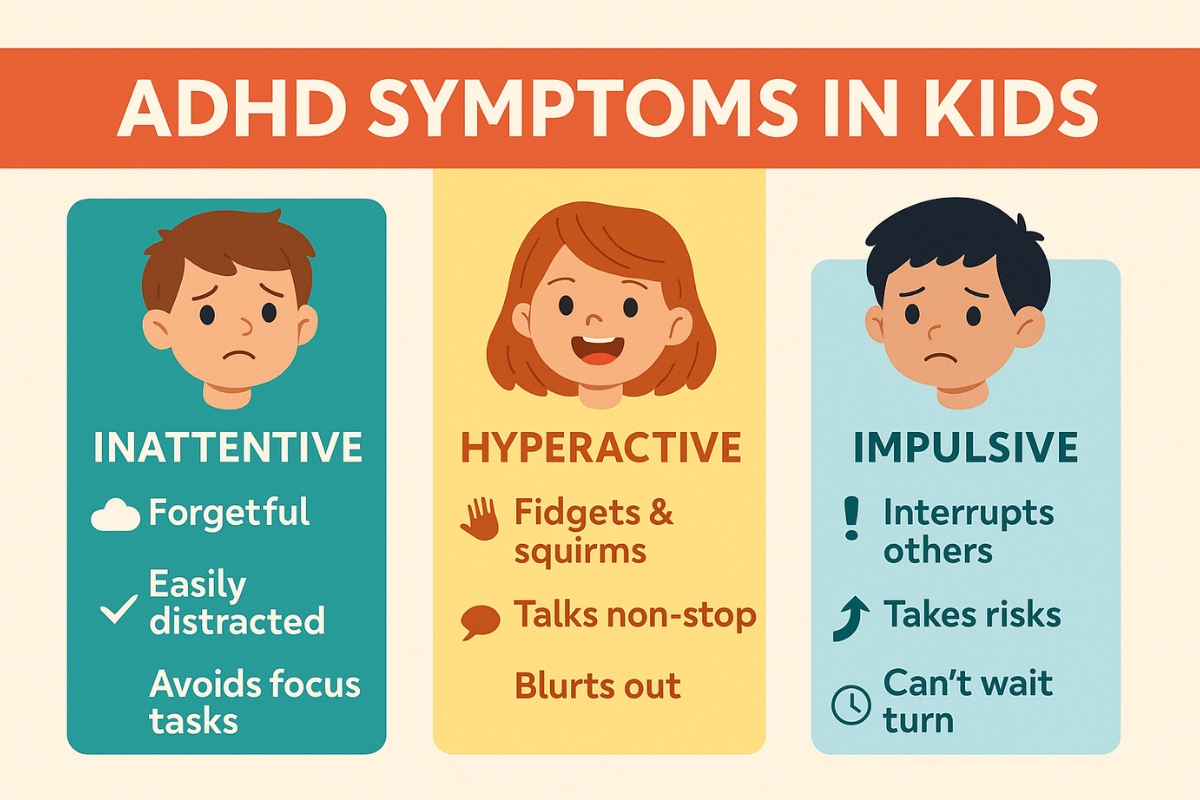
Hyperactivity Disorder In Children